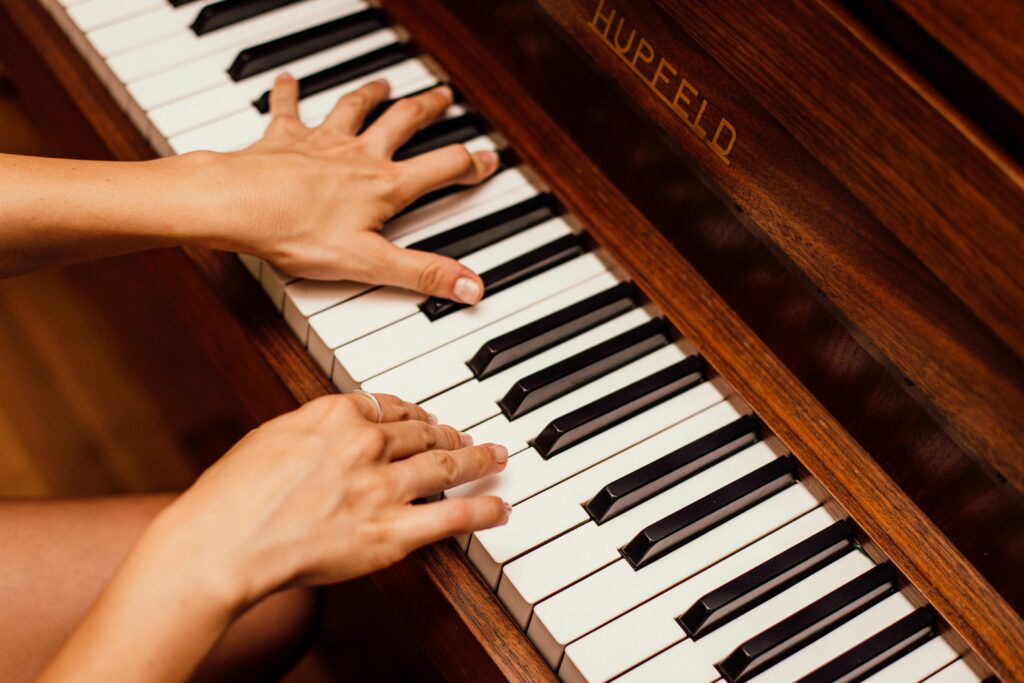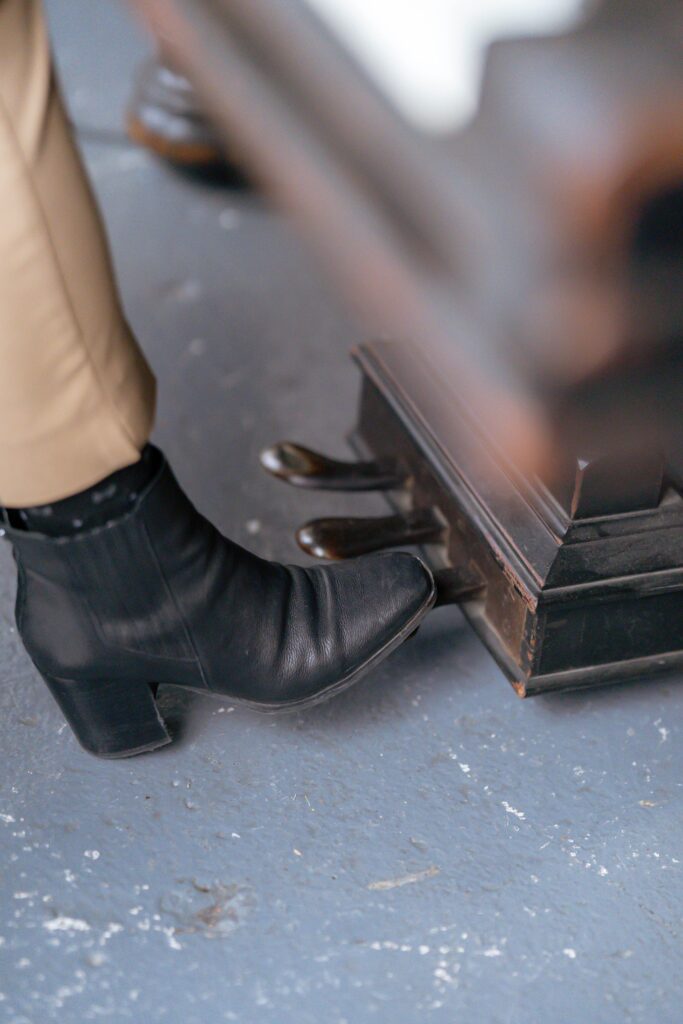
Crop anonymous woman in heels playing on wooden piano and pressing leg on pedal in light room
Blog

🎹 Why Do Some Pianos Have 3 Pedals, Some 2, and Others Only 1?

If you’ve ever looked at different pianos—especially while piano shopping or attending recitals—you might have noticed something curious: not all pianos have the same number of pedals. Some have three, some have two, and a few have only one. So what gives? Let’s break down what each pedal does—and why the number can vary depending […]
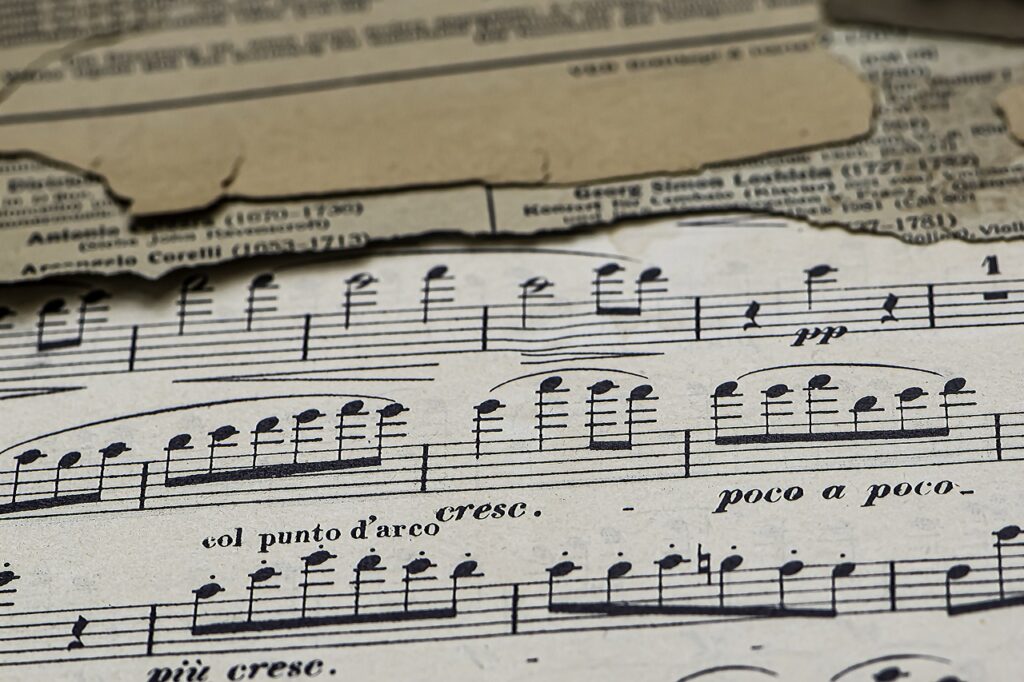
notes, melody, key, harmony, texture, scrapbook, old, composer, frame, note, tonality, library, notenblatt, entertainment, crescendo, music, clef, music wallpaper, sheet music, inspiring, opus, just music, gray music, gray library, gray wallpaper, gray frame, gray key, gray note, gray inspiration, tonality, crescendo, crescendo, music, sheet music, sheet music, sheet music, sheet music, opus, opus, opus, opus, opus
Blog

The Art of Making Waves: Crescendo, Diminuendo & Shaping Sound in Piano Music

Ever felt like your piano playing sounds a bit… flat? Not in pitch—your notes are fine! I’m talking about the shape of your music. You know, those magical moments when a melody swells like an ocean wave or fades like a sunset? That’s where crescendo, diminuendo, and decrescendo come in! 🌊 Crescendo: Riding the Wave Up

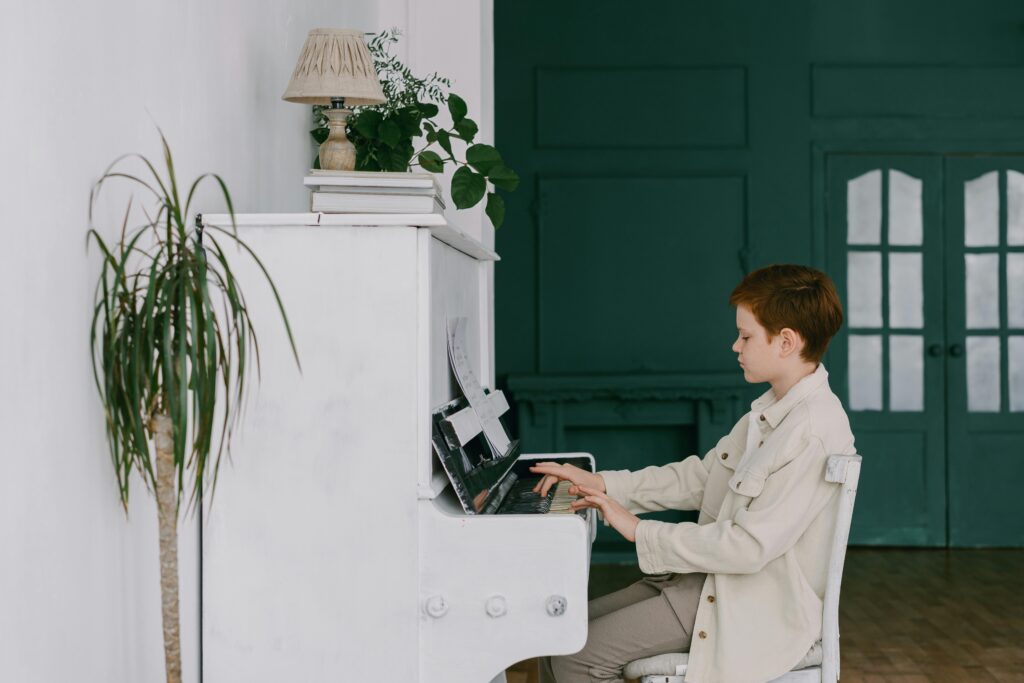
Young boy playing a piano indoors with plants surrounding, showcasing musical talent and lifestyle.
Blog

Why Sitting Properly and Holding Your Hands Right on the Piano Actually Matters

When you think of playing the piano, your mind probably jumps to melodies, rhythms, and maybe even a bit of showmanship. But one of the most overlooked—and absolutely essential—parts of playing well is how you sit and where you put your hands. Whether you’re a beginner or someone who’s been playing for years, posture and

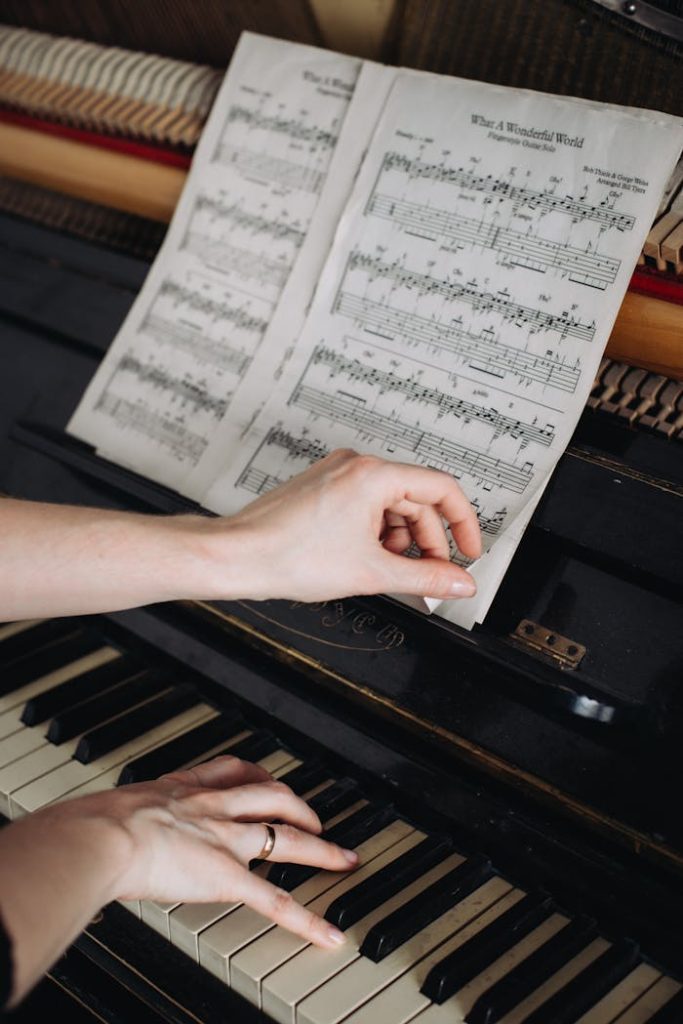
Close-up of a womans hands on a piano, turning sheet music pages, capturing musical focus.
Blog

Understanding Ornamentation: Arpeggios, Grace Notes, Mordents, and Trills

Ornamentation in music adds expression, excitement, and style to a piece. Whether you’re playing classical piano, jazz, or folk accordion, knowing how to interpret ornaments like arpeggiated notes, grace notes, mordents, and trills is essential. Let’s break down the differences between these commonly used embellishments. 1. Arpeggiated Notes (Arpeggios) What it is: An arpeggio is

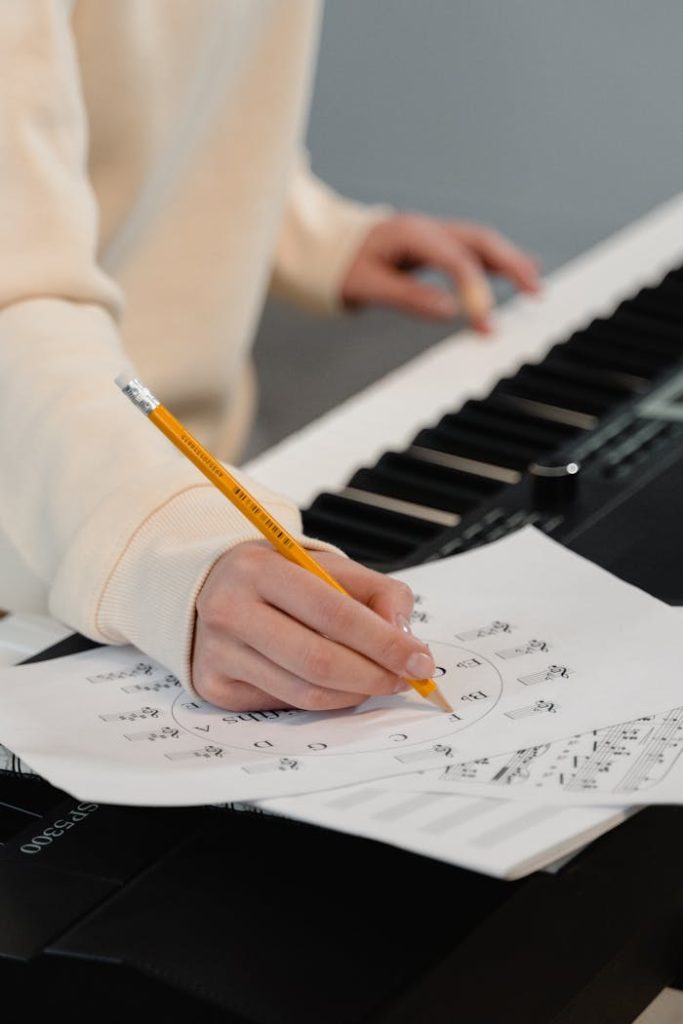
Creating music sheets while playing piano. Perfect for education and creativity themes.
Blog

Understanding Portato and Tenuto: What’s the Difference?

When exploring expressive playing in music, we often talk about dynamics, phrasing, and articulation. Two markings that frequently appear—portato and tenuto—can be easily confused, especially for developing musicians. Though they may look similar and are often used in lyrical or legato passages, they each serve a unique purpose. Let’s break them down. What is Tenuto?

understanding, spark, lightning, hand, think, inspiration, cells, psychology, religion, brain, god, program, programmer, brain, brain, brain, brain, brain
Blog

The Incredible Connection Between Music and the Brain

Music has been an essential part of human culture for thousands of years, but modern neuroscience is revealing just how deeply it influences our brains. From improving cognitive function to enhancing emotional well-being, studies show that music has profound effects on brain activity. Whether you’re a musician or just a casual listener, understanding the science

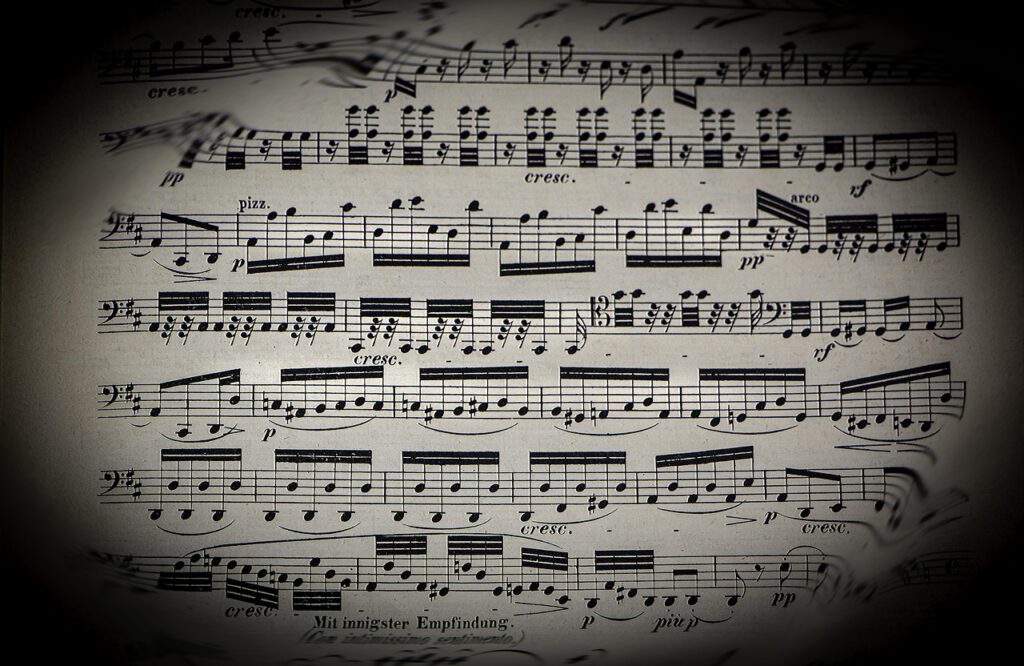
sheet music, 19th century, cello, beam, hymnal, staves, orchestra, scrapbook, notes, clef, melody, keys, sound, note, notenblatt, sonata, crescendo, key, rhythm, tonality, beat, back on time, treble clef, entertainment, one of a kind, gray music, gray time, gray key, gray note, sheet music, 19th century, cello, hymnal, hymnal, hymnal, hymnal, hymnal, orchestra, orchestra, orchestra, orchestra, crescendo, crescendo
Blog

Secondary Dominant Chords and the Second Leading Tone: Unlocking Harmonic Colors

If you’ve ever wondered how composers and songwriters add unexpected color and movement to their music, the answer often lies in secondary dominant chords and the second leading tone. These harmonic tools can create tension, anticipation, and a sense of forward motion, making music feel more dynamic and expressive. In this post, we’ll explore what

Scroll to Top