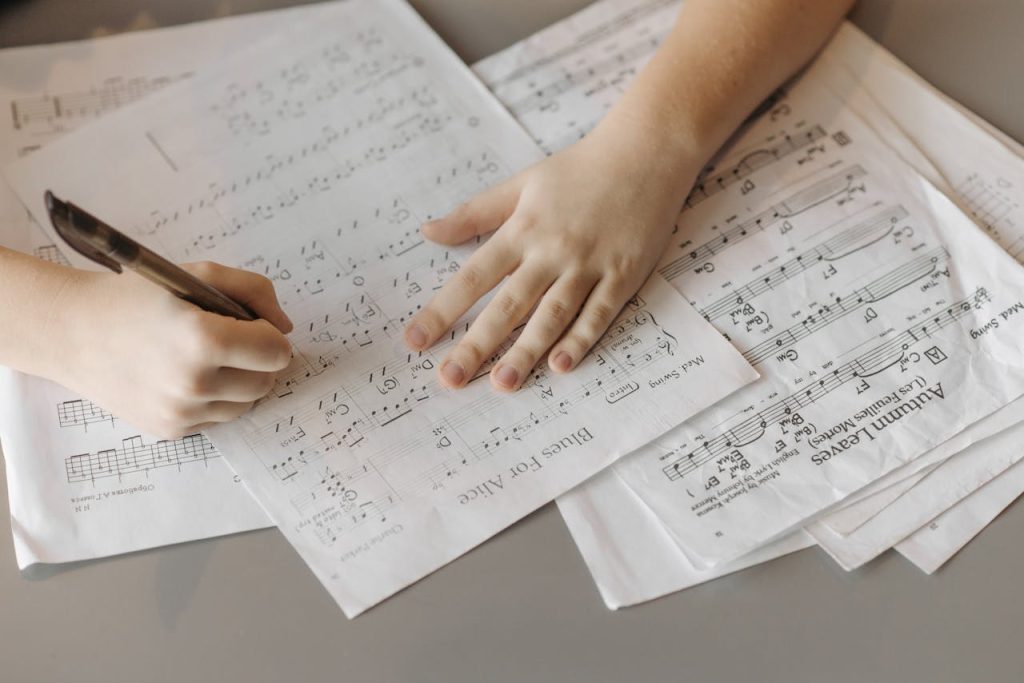
With the rise of artificial intelligence, short-form videos, and music created in bedrooms around the world, many people are asking an interesting question: Is music theory still important?
The answer is yes—perhaps now more than ever.
Music theory is often misunderstood as a collection of rules that musicians must follow. In reality, music theory is a language that helps us understand how music works. It explains why certain chord progressions create emotion, why melodies are memorable, and how rhythm brings music to life.
Today, technology allows anyone to create music with a few taps on a screen. While this has opened exciting opportunities for creativity, musicians who understand theory often have a significant advantage. They can communicate ideas more effectively, learn new music faster, improvise with confidence, and compose with greater intention.
Many popular songs on streaming platforms use surprisingly simple harmonic structures. Yet behind these songs are fundamental concepts such as chord relationships, scales, rhythm patterns, and song form. Understanding these concepts helps students move beyond simply playing notes and toward becoming complete musicians.
Music theory also strengthens problem-solving skills. Students learn to recognize patterns, think critically, and make connections between different musical ideas. These skills transfer to many other areas of life, including academics and personal growth.
As a music teacher, I often see students gain confidence once they understand the “why” behind the music they play. Instead of memorizing notes, they begin to recognize patterns and make musical decisions independently.
Whether you dream of performing on stage, composing original music, or simply enjoying music as a lifelong hobby, music theory provides a foundation that makes the journey more rewarding.
Technology will continue to change the way we create and consume music, but the principles that make music meaningful remain timeless. Music theory is not becoming obsolete—it is becoming an even more valuable tool for understanding and expressing the universal language of music.